
 Français
 Русский
 Deutsch







Stroke and Risk Prevention
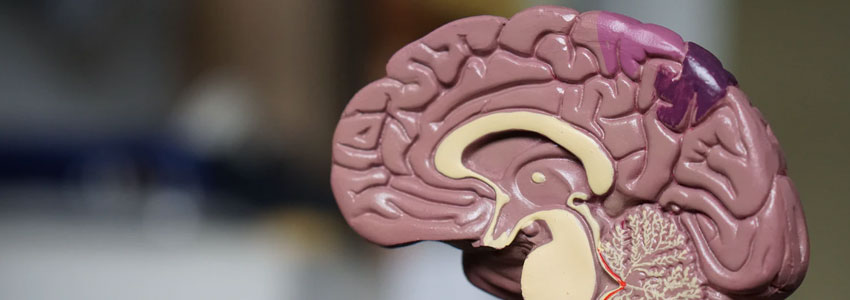
A stroke, or “brain attack,” occurs when blood circulation is interrupted in part of the brain. The absence of oxygenated blood in this area rapidly leads to the destruction of affected brain tissue within minutes.
Stroke has two main causes:
- Obstruction of a blood vessel supplying the brain (ischemia)
- Rupture of a blood vessel (hemorrhage)
Transient ischemic attacks (TIAs) are caused by the same mechanisms as ischemic strokes, but blood flow interruption is short enough to allow spontaneous recovery within minutes or hours.
The sudden interruption of blood supply to the brain that characterizes a stroke causes oxygen deprivation in the affected brain regions.

Stroke is a medical emergency that can be fatal. In approximately half of all cases, it results in long-term disabilities, which become more severe when treatment is delayed.
Worldwide, stroke is the second leading cause of death in both developed and developing countries.
In 80% of cases, stroke results from a blood clot blocking an artery supplying part of the brain. This is called an ischemic stroke or cerebral infarction.
In the remaining 20% of cases, stroke results from brain hemorrhage.
After a first stroke, the risk of recurrence is high and estimated between 30% and 43% within the following five years.
SIGNS OF STROKE
- Sudden dizziness and loss of balance
- Sudden numbness, loss of sensation, or paralysis affecting the face, arm, leg, or one side of the body
- Confusion or sudden difficulty speaking or understanding speech
- Sudden loss of vision or blurred vision in one eye
- Sudden severe headache, sometimes accompanied by vomiting
In all cases, emergency medical services should be contacted immediately.
PEOPLE AT RISK
- People who have already experienced a stroke
- People with heart disorders (heart valve abnormalities, heart failure, arrhythmia) or recent myocardial infarction
- People suffering from atrial fibrillation, which increases the risk of blood clot formation
- People with diabetes, which contributes to atherosclerosis and reduces the body’s ability to dissolve blood clots
- People who suffer from migraines
- People with sleep apnea, which may increase blood pressure and contribute to clot formation
- People with high red blood cell counts (polycythemia)
- People with a close family member who has experienced a stroke
RISK FACTORS
- High blood pressure, the most important risk factor
- High cholesterol levels, contributing to atherosclerosis and artery hardening
- Smoking, which reduces oxygen delivery to the brain and damages blood vessels
- Obesity
- Poor diet
- Physical inactivity
- Chronic stress
- Excessive alcohol consumption or use of hard drugs such as cocaine
- Oral contraceptives, especially in women over 35 who smoke or have hypertension
- Hormone replacement therapy during menopause
PREVENTIVE MEASURES AGAINST STROKE
- Do not smoke
- Avoid excessive alcohol consumption
- Practice regular physical activity
- Maintain a healthy weight
- Adopt healthy eating habits
- Learn to manage stress more effectively
- Review contraceptive methods if necessary
MEDICAL FOLLOW-UP IS ESSENTIAL
Consult your doctor regularly according to medical recommendations.
For patients at high risk of stroke, doctors may examine carotid arteries using a stethoscope and prescribe Doppler ultrasound examinations if atherosclerosis is suspected.
Regular monitoring should also include:
- Blood pressure control
- Blood lipid analysis
- Blood sugar monitoring to prevent diabetes
- Medical consultation in case of irregular heart rhythm
- Treatment of heart disease
Can Cytamphology Help?
Cytamphology is a science based on harnessing a natural energy emitted by the active principles of plants. It aims to help individuals rebalance and strengthen themselves to restore equilibrium.
It may be used both preventively and alongside existing conditions.
In the context of stroke prevention and support, the following products are recommended:
066: Helps maintain healthy blood fluidity.
069: Helps prevent cholesterol-related disorders. Recommended in combination with 004.
004: Supports proper cholesterol synthesis by the body.
092: Helps maintain healthy triglyceride levels.
728: Helps preserve arterial elasticity, which tends to decrease with age.
604: Supports healthy cellular oxygenation.
All these products form a foundational program related to stroke prevention and support.
For a personalized program tailored as closely as possible to your needs, we remain at your disposal.