Français
 Русский
 Deutsch







The 5 Wounds That Prevent Us from Being Ourselves
A SPECIFIC PRODUCT FOR EACH EMOTIONAL WOUND
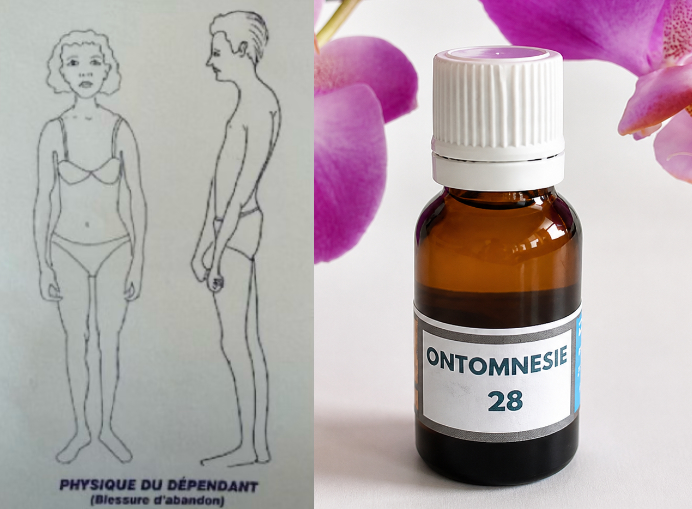
OM 28: THE WOUND OF ABANDONMENT and Its Characteristics
Origin of the wound: Between 1 and 3 years old, involving the parent of the opposite sex. Lack of emotional nourishment.
Mask: Dependent
Body: Long, thin body, lack of tone, slumped posture, weak legs, curved back, drooping or limp arms and body parts.
Common vocabulary: “absent,” “alone,” “I can’t stand it,” “they won’t leave me alone.”
Personality traits: Victim mentality, fusion-oriented, strong need for presence, attention, and especially support.
Difficulty acting or making decisions alone.
Difficulty accepting rejection.
Sadness.
Greatest fear: Loneliness.
Eating habits: Good appetite, tendency toward overeating, eats slowly.
Possible disorders: Back problems, asthma, bronchitis, migraines, hypoglycemia, diabetes, adrenal gland disorders, myopia, depression.
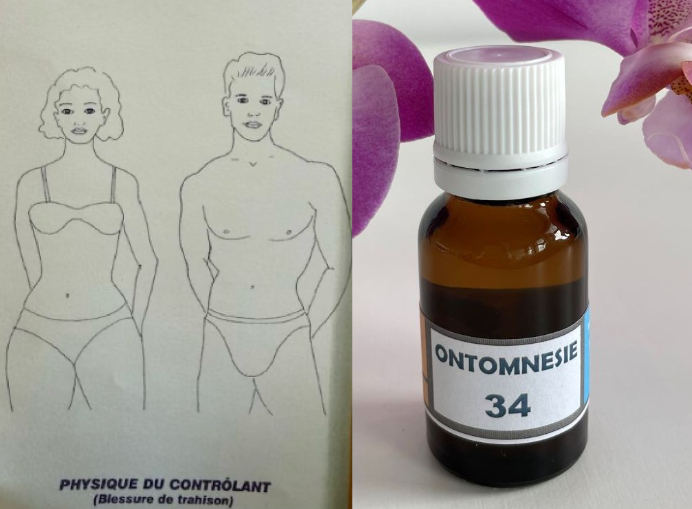
OM 34: THE WOUND OF BETRAYAL and Its Characteristics
Origin of the wound: Between 2 and 4 years old, involving the parent of the opposite sex.
This wound develops when the child feels betrayed by that parent, leading to a rupture of trust.
Mask: Controlling.
Body: Displays strength and power.
In men: shoulders broader than hips.
In women: hips broader and stronger than shoulders.
Expanded chest and abdomen.
Common vocabulary: “I’m capable,” “let me do it alone,” “I knew it,” “trust me,” “I don’t trust them.”
Personality traits: Feels very responsible and strong.
Needs to feel special and important.
Does not always keep commitments or forces themselves to do so.
Can be manipulative, seductive, and quick to lie.
Acts and understands rapidly.
Performs in order to be noticed.
Has difficulty confiding in others.
Does not show vulnerability.
Greatest fear: Separation, dissociation, rejection.
Eating habits: Good appetite, eats quickly.
Possible disorders: Agoraphobia, cold sores, spasmophilia, digestive disorders, inflammatory diseases ending in “-itis.”
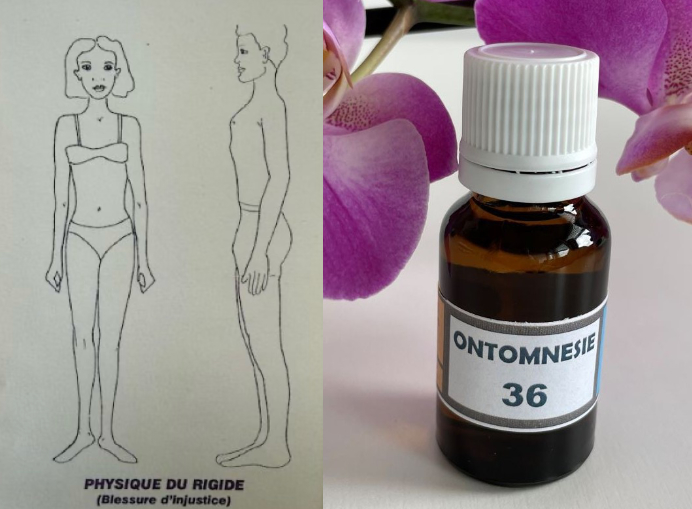
OM 36: THE WOUND OF INJUSTICE and Its Characteristics
Origin of the wound: Between 4 and 6 years old with the parent of the same sex.
Need to perform and be perfect.
Mask: Rigid.
Body: Straight, rigid, and as perfect as possible.
Well-proportioned body.
Tight waist emphasized by clothing or belts.
Rigid movements.
Fair skin.
Clenched jaw.
Stiff neck.
Common vocabulary: “no problem,” “always/never,” “very good,” “very special,” “exactly.”
Personality traits: Perfectionist, envious.
Frequently crosses arms.
Performs in order to be perfect.
Lively, dynamic, constantly justifies themselves.
Difficulty asking for help.
Doubts personal choices and constantly compares themselves to others.
Finds it unfair to receive less — and sometimes even more — than others.
Likes order.
Emotionally cold and struggles to show affection.
Greatest fear: Coldness.
Eating habits: Prefers salty foods over sweets.
Controls food intake to avoid weight gain.
Feels shame when losing control.
Possible disorders: Burnout, inflammatory diseases, constipation, hemorrhoids, cramps, poor blood circulation, liver disorders, skin problems, insomnia, nervousness.
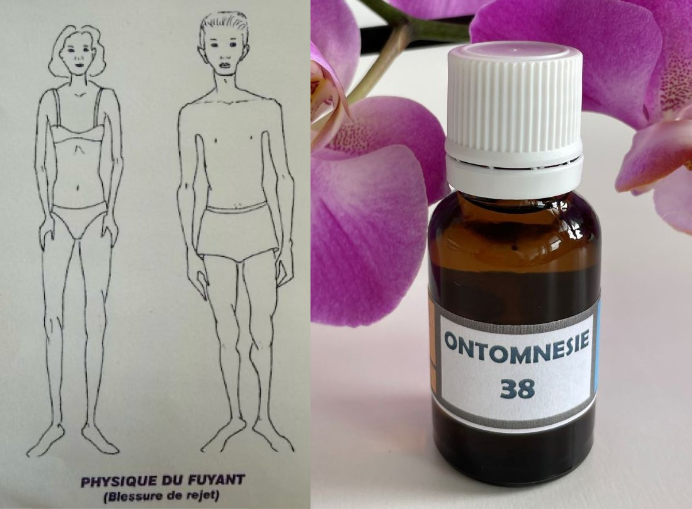
OM 38: THE WOUND OF REJECTION and Its Characteristics
Origin of the wound: From conception to 1 year old.
Feeling they do not have the right to exist.
Usually linked to the parent of the same sex.
Mask: Withdrawn / Escaping.
Body: Contracted, narrow, thin.
Common vocabulary: “worthless,” “nothing,” “invisible,” “disappear.”
Personality traits: Detached from material things, perfectionist, intellectual.
Alternates between phases of intense love and deep hatred.
Does not believe they deserve to exist and often feels worthless.
Seeks solitude and may become socially invisible.
Feels misunderstood.
Greatest fear: Panic.
Eating habits: Appetite suppressed by emotions or fear.
Eats very small portions.
Tendency toward sugar, alcohol, or drugs to escape reality.
Predisposition to anorexia.
Possible disorders: Skin disorders, diarrhea, arrhythmia, cancer, respiratory problems, allergies, hypoglycemia, diabetes, suicidal depression.
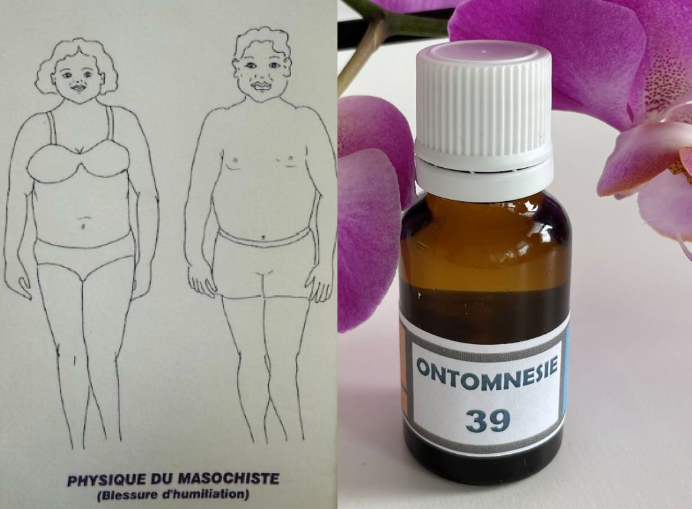
OM 39: THE WOUND OF HUMILIATION and Its Characteristics
Origin of the wound: Between 1 and 3 years old with the parent responsible for physical development, usually the mother.
Lack of freedom and feeling humiliated by parental control.
Mask: Masochistic.
Body: Round, stocky body, short waist, thick neck, tension in the neck, throat, and jaw.
Round face.
Common vocabulary: “worthy,” “unworthy,” “small,” “fat.”
Personality traits: Frequently ashamed of themselves or others, or afraid of causing shame.
Knows their needs but ignores them.
Takes too much responsibility upon themselves.
Controlling behavior used to avoid shame.
If without limits, fears excess.
Highly sensitive.
Punishes themselves while believing they are punishing others.
Compensates emotionally through food.
Greatest fear: Freedom.
Eating habits: Likes fatty foods and chocolate.
Tendency toward compulsive overeating.
Possible disorders: Back, shoulder, throat problems, tonsillitis, respiratory issues, leg and foot disorders, varicose veins, sprains, fractures, thyroid disorders, liver problems, skin itching, diabetes, heart conditions.